 León, Gto., July 20, 2017.- Researchers of the University of Guanajuato (UG) study the metabolic conditions during menopause, which allows to prevent diseases, as well as emotional problems derived from the changes women go through during this stage.
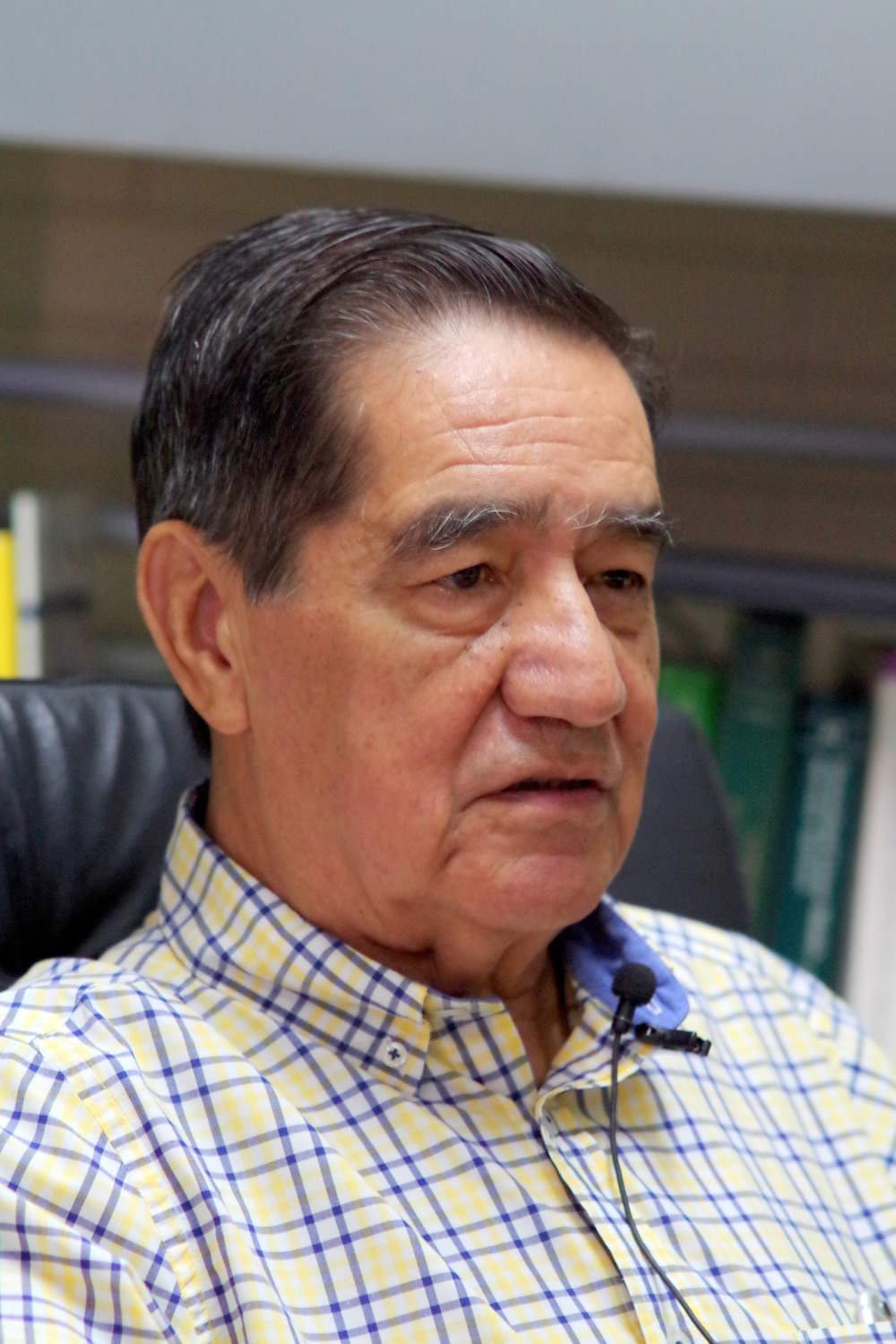
Dr. Juan Manuel Malacara Hernández, professor researcher of the Department of Medical Science of the Division of Health Sciences of Campus León works in this line of research for 30 years now, where he has covered aspects as the age when menopause appears; hormonal factors; the loss of the ovary function; loss of estrogen –which causes biological problems, diseases and emotional problems—hot flashes, as well metabolic risks: fractures, breast cancer, accelerated damage to the arteries, etc.
He mentioned that in the last two years, they have sought the interaction between the genetic, psychosocial and hormonal factors, "they may seem very different things, but they aren't, we have found that the three aspects tightly interact to define the situations women will go through", mentions Dr. Malacara.
The scholar cleared that the condition of women when they reach this stage are varied, "some go from the reproductive stage to menopause without noticing it, but in other women there are a lot of problems and that must be known very clear by medics and women and their families", to treat adequately treaty them and prevent other alterations.
Likewise, he mentioned that they have confirmed that the women who live in the rural zones, the symptoms of the menopause –hot flashes, anxiety, depressive disorders etcetera—present with greater intensity.
This, pointed Dr. Malacara, is related with the appreciation women have in their environment, because "rurality itself carries important limitations in the projection of women", the social conditions have a very important impact in both their emotional and physical reaction, that is why the hot flashes, night sweating, depression, anxiety, anguish and sleep disorders are common.
At this point, he detailed that even mature men have sleep disorders, but the lack of estrogen can be determining to happen severely in women.
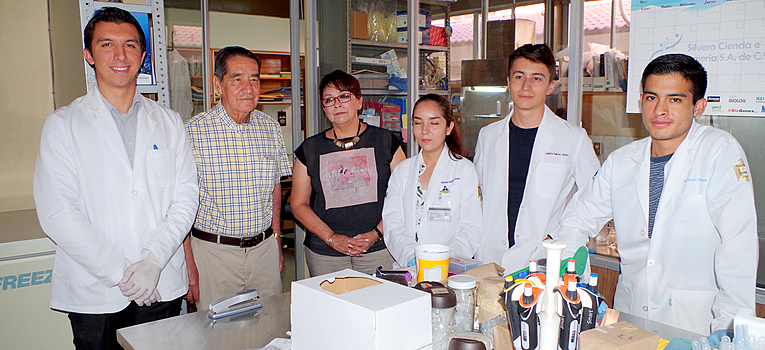
The analysis of the metabolic conditions during menopause, has been carried out from a multidisciplinary perspective, "we have the advantage that (in UG) we have a master and doctorate in Medical Science, where professionals in medicine, psychology and nutrition enroll, and that allows us to have a wide interaction between distinct disciplines and now we collaborate with graduates that are integrated in different academic bodies from different campus in the university and other institutions in the country", mentioned Dr. Malacara.
The impact of the work, has allowed the collaboration of UG with dependencies such as the Health Department of Guanajuato, the National Institute of Nutrition, and the Health Department of the State of Mexico, among others.
Likewise, they have obtained supports and resources from the National Council of Science and Technology (CONACYT), The Rockefeller Foundation; the International Center of Research for the Development –Canadian organism—and even, the World Health Organization.
Dr. Juan Manuel Malacara Hernández is a member of the National System of Researchers, level 3, professor at the Department of Medical Sciences of UG, and founder of the Master and Doctorate degrees in the academic entity.
His work as a researcher has been recognized by organisms such as the Mexican Society of Nutrition and Endocrinology, with the "Alfonso Rivera" Award; the "Salvador Zubirán" Award; he has also been awarded by the Congress of the State of Guanajuato and the Health Department of Guanajuato.
Photo Gallery