They seek to improve the quality of life with the intake of antioxidants such as curcumin and strawberry.
León, Gto., July 25, 2017.- The high prevalence of obesity and associated illnesses have led researchers as Dr. Joel Ramírez Emiliano of the Department of Medical Sciences of the University of Guanajuato (UG), to seek how to improve the quality of life of patients with diabetes and patients submitted to hemodialysis.
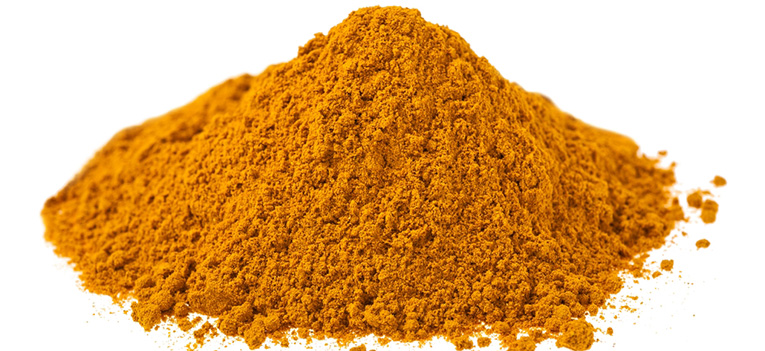
The scholar works in a project to test antioxidant systems, specifically a supplement based on curcumin (a widely used spice in the Middle East) and another based on strawberry, developed by the Research and Advanced Studies Center of the Instituto Politécnico Nacional (CINVESTAV), whose researchers managed to potentiate the antioxidant activity of such fruit.
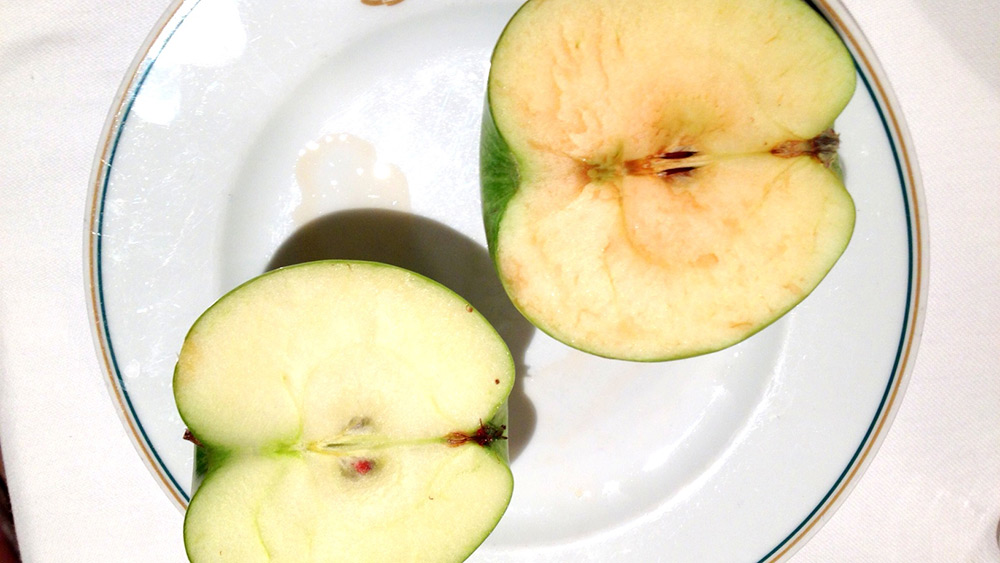
The research of Dr. Ramírez is "estrés oxidativo en enfermedades crónico metabólicas" (oxidative stress in chronic metabolic diseases). He explains that cells always produce free radicals, but in people with pathologies such as obesity, diabetes or cancer, the production increases and this provokes the molecules to oxidize and the cell gradually loses its functions.
Although the human being has antioxidant systems, in these patients are overwhelmed, because the oxidative stress implies an unbalance, "our body produces more free radicals than our systems can eliminate. This situation is very clear when there's obesity, the cell aging is accelerated and is prone to develop several complications such as hypertension and diabetes, in addition of decreasing the cognitive capability (diminishing of the memory and learning)."
To test if when the oxidative stress is diminished the cognitive capability increases, parts from the study made in animals and another with humans. Mice develop the diseases in a similar way as people, with the advantage that the determinations are done directly in the tissues of interest like the brain. Given that the oxidative stress acts in a systemic level –affects everything—, turns out a priority to find the best treatment schemes with food supplements that help reduce it.
Dr. Ramírez pointed out that until now they have found that the antioxidant supplements in animals diminish the oxidative stress in brain and peripheral tissues, they have also proved that the neurotrophic factors (indispensable molecules for the neurons to function properly and the cognitive processes occur: memory and learning) and in a second stage have discovered that it improves the memory of the mouse.
The researcher clears that the studies in patients take longer and it is more difficult to prove or see changes in memory; however, what it is perfectly established is that, a high percentage of patients with diabetes progressively lose their cognitive capability. I.e., the first results obtained in rightsholders of the Mexican Institute of Social Security (IMSS), show a greater oxidative stress and cognitive damage in patients with diabetes and are in hemodialysis, compared to patients who are only diabetic. The most interesting is that the curcumin supplement diminished the oxidative stress "and we hope it has significant benefits in the cognitive part", mentioned Dr. Ramírez.
The scholar emphasized the importance the oxidative stress has, "which is involved almost at 100% of the diseases that make a change in the cell's biochemistry."
Dr. Joel Ramírez Emiliano is a Chemist Pharmacist Biologist, has a Master degree in Experimental Research from the Universidad Michoacana de San Nicolás de Hidalgo (UMSNH), and a Ph.D. in Biology from UG; he complemented his formation in the Department of Neurosciences at CINVESTAV Zacatenco, and is part of the academic core of the University of Guanajuato since 2006.
Photo Gallery