 León, Gto., March 1, 2018.- The venue Forum of Campus León of the University of Guanajuato (UG) was the meeting point for the symposium "Musical Instruments from the perspective of culture" in which from different perspectives were approached by strategies for the study, background and evolution of the instruments, as well as the analysis of their historical context.
With the participation of researchers from the University of Guanajuato (UG), Universidad Michoacana de San Nicolás de Hidalgo, Universidad Nacional Autónoma de México (UNAM), Universidad de Guadalajara, Universidad Autónoma de la Ciudad de México and from the Instituto Nacional de Antropología e Historia analyzed the importance of musical instruments and their relationship with religion, ritual processes, culture, music and their meanings within communities.
The evolution of the harp and traditional Mexican guitars were explained through images that mentioned the physical characteristics and the most significant changes presented by the instruments according to the geographical region to which They belong, the changes provoked in the processes of their elaboration and the musical style of the indigenous groups when executing traditional pieces.
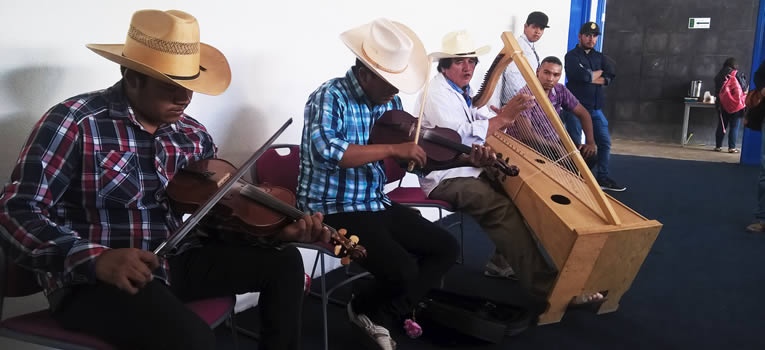
As part of the Colloquium's activities, six indigenous harp models were also exhibited in Mexico, including the Mazateca Harp of the Papaloapan region, Oaxaca; The Tsotzil harp of San Juan Chamula, Chiapas; The harp Yoreme of the region of Guasave, Sinaloa, and the variants of the harp Nahua of the region of the coast Sierra de Michoacán, of Zongolica, Veracruz, and that corresponding to the area of Tamazunchale, San Luís Potosí.
Raúl Torres Medina and Nohemí sarahy Fernández García commented on the mural painting of the Chapel of Santo Tomás, located in the municipality of Tierra Blanca, Guanajuato, in which various elements compose a canvas laden with religious images where you can see Representations of angels with musical instruments such as harps, drums, violins, among others.
In their speech they expressed the symbolic charge of the instruments and their relationship with the time in which the paintings were elaborated and the role they had in the social life of the region.
For his part, Dr. Alejandro Mercado Villalobos addressed the case of the trumpet and its historical use in the Mexican wind bands in which it has incorporated its use, in addition of indicating the most important exponents in the country.
He said in an interview that the symposium "has shown how to study musical instruments, why they are important and where we can find data to build their history and their bond with society."
In this sense, Dr. Alejandro Martínez de la Rosa, coordinator of the event said that "it is necessary to do much more research not only with the object, with the wooden instrument with certain characteristics, certain measures but also on the meaning that it has for each of the cultures."
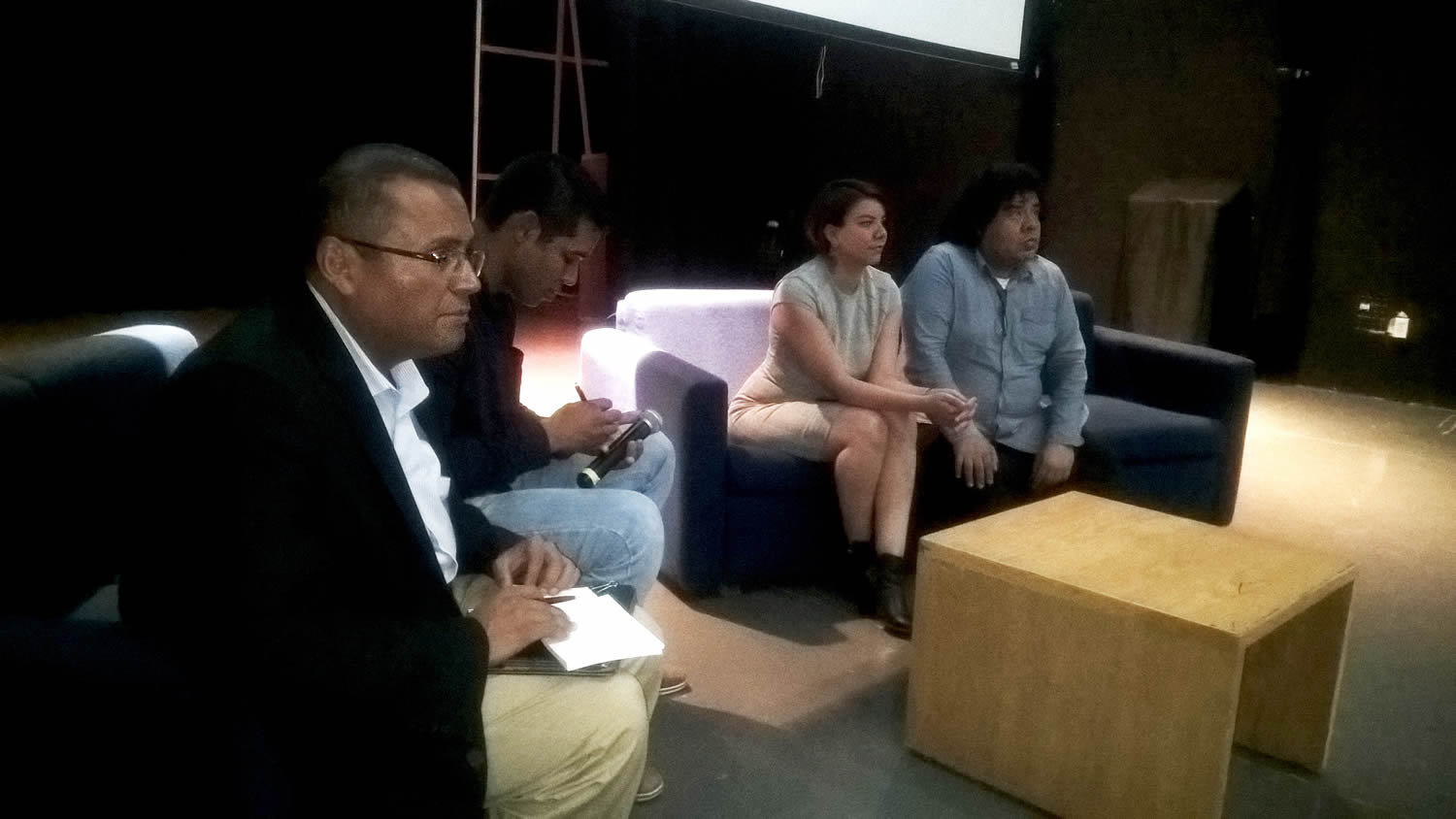
In the final part of the event was presented the documentary "As People. Body and soul of a musical instrument" in which the filmmaker and one of the recorded musicians gave his opinion on the subject, and finally the group mayo-yoreme "Yehu Matchuc" interpreted in a traditional way the Pascola dance and the dance of the deer.
Photo gallery